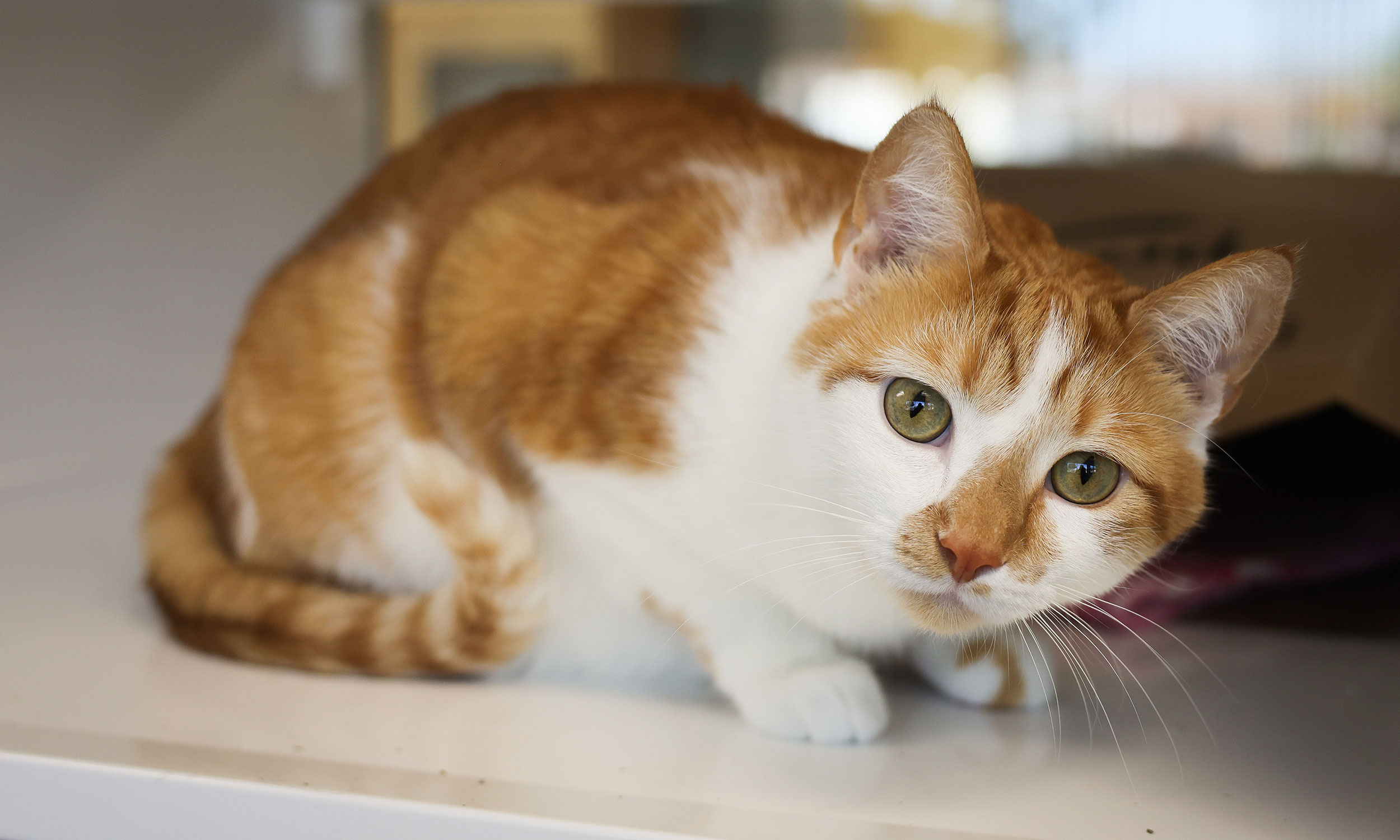
Many of the cats who enter Feline Rescue’s foster program need more than temporary housing. They need a home environment where they can heal, learn, grow, or receive specialized care. Because part of our mission is helping medically and behaviorally complex cats, our foster homes often care for cats recovering from illness or surgery, kittens and nursing mothers, senior cats, under-socialized cats, and those with ongoing medical or behavioral needs.
Fostering with Feline Rescue is an active and rewarding role. You’ll work closely with our team to monitor health, support behavior, facilitate veterinary care, and help prepare cats for successful adoption. We provide supplies, training, and ongoing support, while you provide the safe, compassionate environment that helps cats thrive.
Every foster home expands our ability to help cats who might otherwise have nowhere to go.
Some cats need care that is difficult to provide in a shelter. A foster home can give a cat more individual attention, a quieter environment, or time to recover. Foster homes also expand the number of cats Feline Rescue can help.
Many of the cats who most need foster placement have medical or behavior needs. We work with foster volunteers to find placements that fit their experience, home, and comfort level.
No. Some foster placements are appropriate for first-time foster volunteers. We provide instructions and support based on the cat’s needs. You decide which types of care you are comfortable providing, and you will receive relevant information before accepting a placement.
Experience administering medication, caring for kittens, or working with shy or stressed cats is helpful, but it is not required for every placement.
The length of a foster placement varies. Some cats need a short period of recovery or respite care. Others may remain in foster for several weeks or until they are adopted.
We will share any expected commitment before you accept a cat, but medical progress, behavior, and adoption timing can affect the actual length of the placement.
Kittens remain in foster until they are 12 weeks old when they are spayed/neutered and returned to the shelter for adoption.
Yes and no. We will provide information about cats who need foster placement, including their known medical needs, behavior, and care requirements. You can express interest in a cat whose needs appear to fit your household and experience.
Staff make the final placement decision based on the needs of the cat and the foster home.
Additionally, cats that are determined to be good candidates for the shelter, usually remain there until getting adopted. This is because the length of stay for shelter cats is typically much shorter than it is for foster cats. Opening up a spot for a cat sooner, means we can help more cats overall.
Feline Rescue provides all the basic supplies needed for a foster cat, including food, litter, carriers, scratchers, toys, and other available care items. We also provide prescribed medications, food and coordinate approved veterinary care.
Yes, but there are things to consider.
Foster cats must be kept separated from other animals for at least the first 14 days. They must be in their own room with everything they need including food/water, litter box, toys, etc. After the initial 2-week quarantine period, if the cat is healthy, eating/drinking, using the litter box, and if they are not hiding and enjoy engaging with you, they may be ready to be introduced to your resident animals.
Some foster cats must remain separated throughout their placement. We will tell you about known restrictions before placement.
Any interactions between foster cats and your resident animals pose a health risk to the health of both animals. Interactions are not required, and leaving the animals separated for the entirety of of the fostering period is safest. Your resident animals should be current on veterinary care appropriate to their age and circumstances.
Feline Rescue staff provide care instructions and remain available for questions during the placement. Foster volunteers also have access to program resources covering common topics such as medication, shy-cat support, enrichment, adoption, and emergencies.
You will be expected to monitor the cat, provide updates when requested, and contact us promptly if you notice a medical or behavior concern.
When a foster cat is ready for adoption, Feline Rescue will guide you through the adoption process. Foster volunteers may be asked to provide photos and information about the cat’s personality, routines, preferences, and ideal home. Your observations help potential adopters understand the cat outside the shelter.
Once a prospective adopter has been identified, you will be connected with them to arrange a visit for them to meet your foster cat. If it goes well, our Adoption Specialists will finalize the adoption in the following days and then the foster cat can go to their forever home.
Adoptions must be completed through Feline Rescue’s established process.